
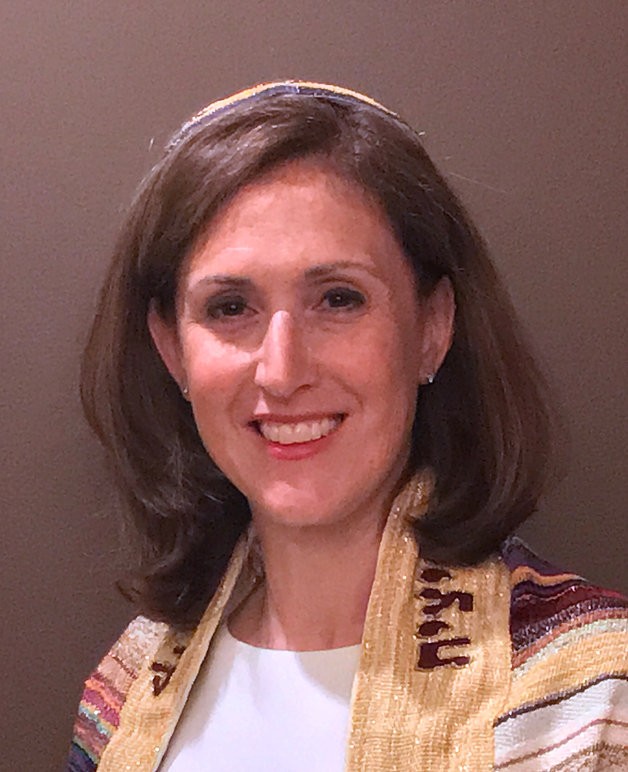
By Rabbi Jennifer Rudin / Congregation Ahavath Sholom
Given the state of the world, we often find ourselves strangers in a strange land. The landscape shifts minute by minute, hour by hour, day by day. Things feel unfamiliar. That sense of uncertainty is not new. It echoes the oldest stories we tell.
Passover reminds us of our journey from slavery to freedom, from being strangers in a strange land, to becoming a community in our homeland. The Hebrew phrase captures it: ְׂבְּצֵאת יִשְׂרָאֵל מִמִּצְרָיִם — “when Israel went out from Egypt.” It is a story of departure and possibility, of leaving behind bondage and stepping into an uncertain future.
Why do we retell it every year? Because memory is instruction. The purpose of remembering is to shape how we act. If we were once strangers, then we are called to notice the strangers among us. If we once sought welcome, then we are charged with offering welcome.
Today, we see that struggle in the lives of immigrants who came to this country seeking community and safety. Many have integrated into the fabric of this land, contributing to neighborhoods, workplaces, and congregations. Yet some now face sudden uncertainty — legal status questioned, families separated. The experience of uncertainty is not abstract for them; it is lived.
We see it also in global events. Families in conflict zones in bomb shelters, hoping for a moment of peace. People board airplanes expecting one destination and arrive in another due to circumstances beyond their control. The world feels uncertain. Anxiety is a common companion.
Passover does not deny that reality. It confronts it. Ritual and storytelling anchor us. They remind us that freedom is fragile and requires stewardship. To remember liberation is to accept responsibility for the liberation of others. That is at the ethical core of Jewish tradition.
When we say we were strangers in a strange land, we acknowledge vulnerability. But we also affirm solidarity. The lessons of Passover compel us to build communities where no one is left isolated — where newcomers are embraced, where differences are respected, and where dignity is universal.
This is not an easy task. The world’s challenges can feel overwhelming. Yet the act of remembering gives us direction. It calls us to repair what is broken, to advocate for justice, and to extend kindness. For ourselves, for our children, for future generations of all people.
That is what it means to be Jewish. That is what it means to observe Passover. As you gather at your Seder table, may you bring these themes and stories into your conversations. May they deepen connection and understanding. I wish you a Passover filled with meaning, hope, and renewal.
Rabbi Jennifer Rudin is the spiritual leader of Congregation Ahavath Sholom in Great Barrington.